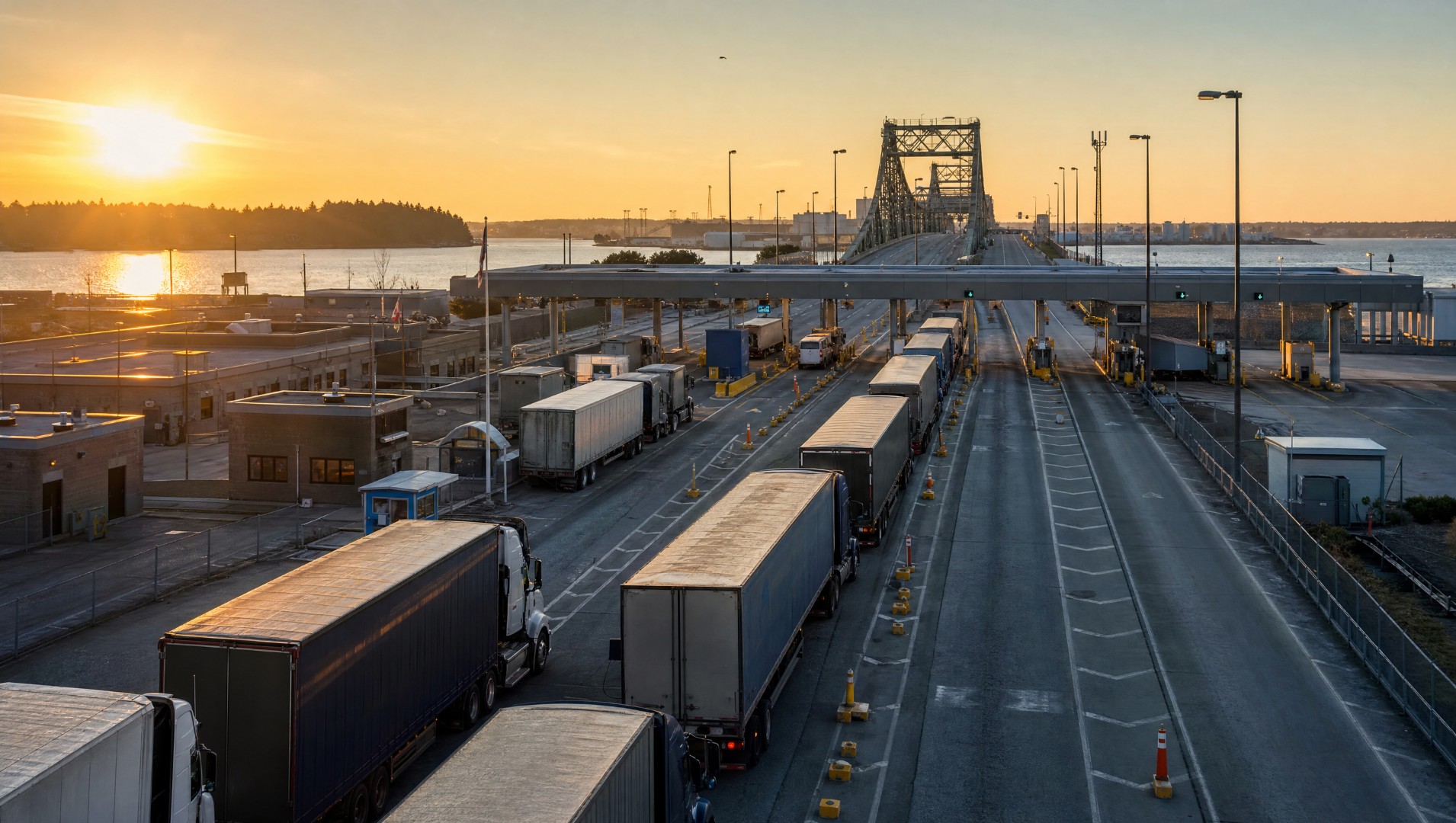



Mexico's foreign trade is at a critical turning point: ongoing legal reforms aim to transform a customs system deeply entangled in corrupt practices. This article explores customs investigation, detected frauds, emerging legal proposals, and the challenges faced by both authorities and the private sector.
Next, you’ll explore the main cases identified, the drafting of new customs laws, the role of the National Customs Agency, and how stakeholders such as customs brokers are adapting through ethics and technology. We’ll also analyze the implications for logistics processes and for Mexico as a reliable trade destination.
Corruption Exposed: Investigations and Consequences
Recently, it was disclosed that the director general of Investigación Aduanera, Alex Tonatiuh Márquez, is under investigation for alleged illicit enrichment of 257 million pesos, after frauds were detected at strategic control points (Source: El País, August 6, 2025). These revelations coincided with the announcement of measures such as the revocation of licenses for customs agencies involved in fraudulent acts (Source: El País, August 6, 2025).
These actions have created an environment in which Mexican customs authorities have become “the new battleground” in trade relations with the U.S., accelerating the need for far-reaching reforms (Source: El País, August 6, 2025).
Proposed Amendment to the Customs Law: Shared Responsibility and Mandatory Transparency
Key Objectives of the Announced Reform
President Claudia Sheinbaum announced a reform to the Customs Law with the purpose of strengthening joint responsibility: making public servants and customs brokers responsible for omissions or irregularities (Source: Infobae, August 14, 2025). The objective is for anyone who acts negligently to also be penalized proportionally.
On the other hand, mechanisms are expected to compel the sector to operate with greater operational transparency, including periodic audits, performance evaluations, and the withholding of merchandise in case of suspicions (Source: Tax Today México, August 15, 2025).
Legitimacy in the Fight Against Fraud
Severer penalties were proposed for those who engage in customs simulations or falsifications, in addition to strengthening controls on companies under the IMMEX program, some of which reportedly evaded IVA or IEPS through simulated exports (Source: Infobae, August 14, 2025).
ANAM and Institutional Structure: Are We Ready to Manage Transparent Customs?
Since its creation in January 2022, the Agencia Nacional de Aduanas de México (ANAM) assumed control of the customs system, revenue collection, and operational regulation, replacing the SAT (Source: Wikipedia – ANAM). However, its management has been strained: the excessive use of military personnel in administrative tasks has caused delays and operational rigidity (Source: El País, August 6, 2025).

The Role of Customs Brokers and Their Professionalization as a Viable Solution
CAAAREM and Its Role in Ethical and Logistical Strengthening
The Confederación de Asociaciones de Agentes Aduanales de la República Mexicana (CAAAREM) groups certified customs brokers, promoting a model of professionalization, ethics, and efficiency backed by standards such as ISO 9001 (Source: Wikipedia – CAAAREM). Defense of good practices that include tools like the pre-validator (prior alerts to avoid errors in customs declarations) and certification as Accredited Logistics Operators, represent a self-regulation system that can drive more secure operations (Source: Wikipedia – CAAAREM).
Practical Challenges Posed by the New Legal Framework
Despite the progress made, experts warn that without technological interoperability, training, and adequate response times, the legislation could become an additional bureaucratic burden, leading to operational overload rather than efficiency.

Opportunities Created by the Reforms: Toward a More Robust Customs System
-
1. Increased tax revenue
In 2025, customs revenue increased by 25 % compared to 2024, totaling more than 130 billion pesos. This growth reflects efforts to crack down on fraud and improve controls (Source: El País, August 6, 2025)
-
2. Greater institutional transparency
The implementation of ongoing evaluations, audits, and open data initiatives by the Secretariat for Anti-Corruption and Good Governance—which is now responsible for protecting public integrity and auditing the government—strengthen internal controls (Source: Wikipedia – Secretariat for Anti-Corruption and Good Governance)
-
3. Cultural Transformation of the Private Sector
The reform presents an opportunity for formal businesses to gain ground against the informal sector, raising standards of legality and professionalism.
Combating corruption in customs requires essential structural changes; the announced reforms promote clear shared accountability, ongoing auditing, and effective digitization. While the challenges are significant—human, operational, and technological—so too are the opportunities to consolidate a modern, reliable customs system that is aligned with international standards.